Source Surgical Eye Patch for Wound Care, Post-Op, and Eye Protection
Compare 30 surgical eye patch options from verified manufacturers in China. Buyers can evaluate materials like cotton and non-woven, sizes, and OEM capabilities for wound dressing and medical applications.
Key considerations
Products List
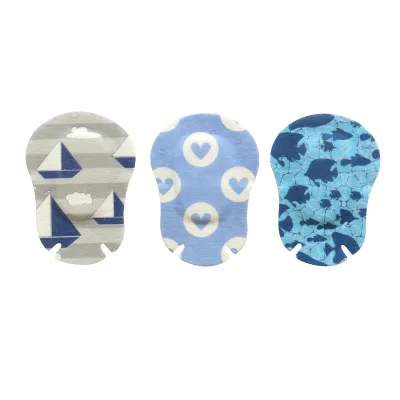
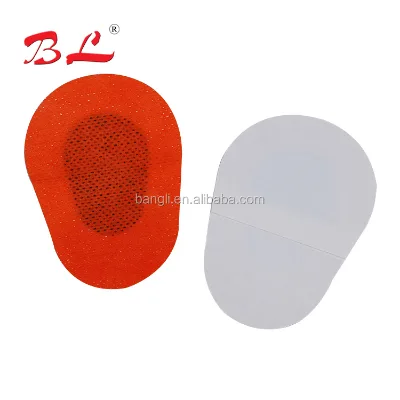


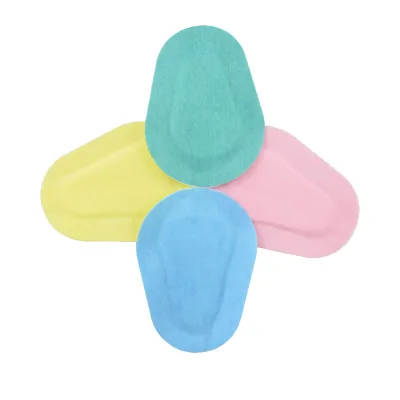


Comprehensive Sourcing Guide
Strategic Sourcing Guide for Surgical Eye Patches
Navigating the global market for surgical eye patches requires a disciplined approach that balances clinical efficacy with supply chain reliability. For procurement professionals, the core keyword "surgical eye patch" encompasses a diverse range of medical devices designed to protect ocular areas during procedures, manage post-operative wounds, and secure dressings. The market is characterized by significant variation in material composition, sterilization methods, and regulatory compliance. Buyers must move beyond generic product descriptions to scrutinize specific attributes such as Class I classification, disinfecting types, and material properties to ensure the selected products meet the rigorous demands of healthcare facilities. This guide outlines the critical factors for sourcing these essential medical supplies, drawing on observed market data to inform decision-making.
Technical Specifications and Material Composition
The technical definition of a surgical eye patch is anchored in its physical properties and intended function. Observed product data indicates that these items are frequently classified as Class I medical devices, which generally implies a lower risk profile compared to higher-class instruments, yet still requires strict adherence to safety standards. The material composition is a primary differentiator, with market listings showing a prevalence of cotton and non-woven fabrics. Cotton-based patches are often selected for their softness and breathability, while non-woven materials offer enhanced fluid resistance and structural integrity.
Size specifications vary significantly to accommodate different surgical needs and patient demographics. Available dimensions observed in the market include specific measurements such as 5075mm, 5575mm, 7054mm, and 9565mm. Some suppliers offer a broader range of sizes, including 80x59mm and 57*80mm, to ensure a precise fit for various anatomical requirements. The single package size also varies, with observations ranging from compact 5x8x4 cm units to larger 20x20x18 cm packages, depending on the quantity and packaging strategy. Weight is another critical specification, with single gross weights typically ranging from 0.003 kg to 0.005 kg, reflecting the lightweight nature of these disposable items.
Buyers must verify the specific model numbers associated with these dimensions, as listings reference identifiers such as 09-Eye-Patch, 692, and OEM designations. The color options are equally diverse, ranging from standard skin tones and white to customizable red or yellow variants, which may be required for specific hospital protocols or to denote usage types. The "breathable" feature is a recurring attribute, essential for preventing skin maceration and ensuring patient comfort during extended wear periods.
Compliance, Certification, and Regulatory Standards
Regulatory compliance is the cornerstone of sourcing medical devices. In the context of surgical eye patches, the safety standards observed in the market include ISO13485 and EN 149-2001+A1-2009. ISO13485 is a critical quality management system standard specifically for medical devices, ensuring that manufacturers maintain consistent quality control processes. The EN 149 standard, while often associated with respiratory protective devices, appears in the context of these listings, suggesting specific filtration or material performance criteria that buyers should verify against their local regulatory requirements.
Certification status is another vital area of scrutiny. Listings frequently mention CE certification, and in some cases, a combined "CE ISO" status. The presence of CE marking indicates conformity with health, safety, and environmental protection standards for products sold within the European Economic Area. However, buyers must not assume that all listed products possess these certifications without verification. The distinction between "Quality Certification" and "Certificate" in product data suggests that documentation may vary by supplier. It is imperative for procurement teams to request valid, up-to-date certificates from the supplier before finalizing any order, ensuring that the specific batch of products aligns with the claimed standards.
Furthermore, the classification of the product as a Class I device implies that while the regulatory burden may be lower than for implantable devices, the manufacturer's adherence to the ISO13485 standard is non-negotiable for maintaining market access and ensuring patient safety.
Cost Drivers and Pricing Dynamics
Understanding the cost structure of surgical eye patches is essential for budgeting and negotiation. The observed price range in the market spans from 0 to 29.99 USD, a wide variance that likely reflects differences in material quality, packaging complexity, and order volume. However, relying on unit price alone is misleading without considering the Minimum Order Quantity (MOQ). The market data reveals a substantial disparity in MOQs, ranging from as low as 100 pieces to as high as 200,000 pieces. Specific listings indicate MOQs of 10,000, 50,000, and 100,000 pieces, which suggests that unit costs are heavily dependent on the scale of the purchase.
High-volume buyers may benefit from economies of scale, but they must be prepared to commit to significant inventory levels. Conversely, smaller procurement needs may face higher per-unit costs or limited supplier options. The "Selling Units" are typically listed as single items, but the actual transaction is often conducted in bulk packs, such as 50 pieces per box. Additionally, the "Sample" availability varies; while some suppliers offer samples freely, others may charge or require a specific commitment. This variability impacts the initial cost of evaluation. Buyers should calculate the total cost of ownership, including shipping, which is influenced by the single gross weight and package dimensions, as well as the lead time, which can range from 5 to 7 days for ready stock or longer for custom orders.
Typical Applications and Functional Requirements
Surgical eye patches serve multiple critical functions in a healthcare setting. Their primary application is as a wound dressing for the eye, providing a protective barrier against infection and physical trauma. The attribute "Wound Dressing Eye Patch" explicitly defines this use case. Beyond wound care, these patches are utilized as medical adhesive and suture materials, playing a role in securing surgical drapes or holding dressings in place. The "Hemostatic Patch" classification in some listings suggests specialized applications where the patch may assist in stopping bleeding, although this is a specific subset of the broader category.
The "Breathable" feature is particularly important for applications involving post-operative care, where prolonged contact with the skin is necessary. A non-breathable patch could lead to skin irritation or infection, compromising patient recovery. The "Disinfecting Type" is another functional determinant; EO Gas (Ethylene Oxide) and EOS are common sterilization methods observed. EO Gas sterilization is effective for heat-sensitive materials like cotton and non-woven fabrics, ensuring the product is free from pathogens without altering the material's structural integrity. Buyers must match the sterilization method to their facility's infection control protocols and waste management capabilities.
Supplier Evaluation and Sourcing Strategy
Evaluating suppliers for surgical eye patches requires a focus on reliability, capacity, and flexibility. The "Place of Origin" is predominantly listed as Zhejiang, China, and China generally, indicating a concentrated manufacturing hub for these medical supplies. While this region is known for its manufacturing capabilities, buyers should conduct due diligence on individual suppliers rather than relying solely on geographic generalizations. The "Brand Name" field often shows "OEM," "HAODI OR OEM," or "BL OR OEM," suggesting that many manufacturers operate as Original Equipment Manufacturers, producing generic or private-label goods.
The "OEM Service Accepted" and "OEM: Provide" attributes indicate that suppliers are willing to customize branding, packaging, and potentially product specifications. This flexibility is valuable for buyers looking to establish their own brand identity or meet specific hospital requirements. However, the "Stock: No" attribute in some listings highlights a potential risk: many suppliers operate on a make-to-order basis. This necessitates careful planning regarding lead times, which are listed as 5-7 days but may extend for custom orders. The "Supply Ability" of 1,000,000 pieces per month is a strong indicator of a supplier's capacity to handle large-scale orders, but buyers should verify if this capacity is consistent or if it fluctuates based on raw material availability.
Quality Control and Long-Term Procurement Considerations
Ensuring consistent quality is paramount in medical procurement. The "Safety standard: ISO13485" serves as a baseline for quality management, but buyers should implement their own quality control checks upon receipt. This includes verifying the "Single gross weight" and "Single package size" against the purchase order to ensure no discrepancies in packaging or product count. The "Shelf Life" of 3 years is a critical factor for inventory management; buyers must plan their procurement cycles to ensure stock is used before expiration, especially for perishable medical supplies.
Long-term procurement considerations involve building a resilient supply chain. The "Packaging Details" are often listed as "According to your requirement," offering customization but also requiring clear communication to avoid errors. The "Port of dispatch" being "As appointed" suggests flexibility in logistics, but buyers should define this clearly in contracts to avoid shipping delays. Furthermore, the "Delivery Time" of 5-7 days is a competitive advantage, but it should be treated as a target rather than a guarantee, particularly during peak demand periods.
Buyers should also consider the environmental impact of their procurement. The choice between cotton and non-woven materials may have implications for waste disposal and sustainability goals. Additionally, the "Color: custom made" option allows for color-coding systems within hospitals, which can enhance operational efficiency and reduce errors. By maintaining a relationship with suppliers who offer these customization options and adhering to strict quality verification protocols, procurement teams can secure a reliable supply of surgical eye patches that meet both clinical and operational needs.
Comparative Analysis of Product Attributes
To facilitate a clearer understanding of the market landscape, the following table summarizes key observed attributes and their implications for procurement decisions.
| Attribute Category | Observed Values | Procurement Implication |
|---|---|---|
| Material | Cotton, Non-woven | Cotton offers breathability; Non-woven offers fluid resistance. Verify based on clinical need. |
| Size | 5075mm to 9565mm (various) | Ensure size matches surgical protocol. Custom sizes may increase lead time. |
| MOQ | 100 to 200,000 pieces | High MOQs (e.g., 100k) require significant capital; low MOQs (100) suit trial orders. |
| Certification | CE, ISO13485, EN 149 | Verify validity of certificates. ISO13485 is critical for quality management. |
| Sterilization | EO Gas, EOS | EO Gas is standard for heat-sensitive materials. Confirm sterility assurance level. |
| Lead Time | 5-7 Days | Fast turnaround possible, but depends on stock availability ("Stock: No" risk). |
| Shelf Life | 3 Years | Allows for bulk purchasing, but requires inventory rotation planning. |
| Origin | Zhejiang, China | Concentrated manufacturing hub; verify specific factory capabilities. |
This comparative view underscores the necessity of aligning specific product attributes with the unique requirements of the purchasing organization. By systematically evaluating these factors, buyers can mitigate risks and secure high-quality surgical eye patches that support patient care and operational efficiency.
FAQs
What certifications do surgical eye patches typically hold?
Surgical eye patches typically hold CE certification and comply with ISO13485 safety standards. Some listings also reference EN 149-2001+A1-2009 standards, though buyers must verify specific documentation for each batch before purchase.
Which materials are used for surgical eye patches?
These patches are commonly made from cotton or non-woven fabrics. Cotton offers breathability for patient comfort, while non-woven materials provide enhanced fluid resistance and structural integrity for various surgical applications.
Can I customize the color and packaging of these patches?
Yes, suppliers accept OEM services and offer custom colors like skin tone, white, red, or yellow. Packaging details are also flexible and can be tailored according to specific buyer requirements rather than fixed standards.
What is the typical minimum order quantity for these products?
Minimum order quantities vary significantly, ranging from 100 pieces to 200,000 pieces depending on the supplier. Specific listings indicate MOQs of 10,000, 50,000, or 100,000 pieces, heavily influencing unit costs.
How long is the shelf life of surgical eye patches?
The shelf life for these medical supplies is typically three years. Buyers should plan their procurement cycles to ensure stock is utilized before expiration, especially given the perishable nature of medical devices.
Where are these surgical eye patches manufactured?
Most products originate from Zhejiang, China, or generally China. This region is a concentrated manufacturing hub, but buyers should conduct due diligence on individual suppliers rather than relying solely on geographic generalizations.
What sterilization methods are used for these patches?
Common sterilization methods include EO Gas and EOS. These processes ensure the products are free from pathogens without altering the structural integrity of heat-sensitive materials like cotton and non-woven fabrics.